
Trairi · Ceará
Outras Áreas: real estate in Ceará, Brazil
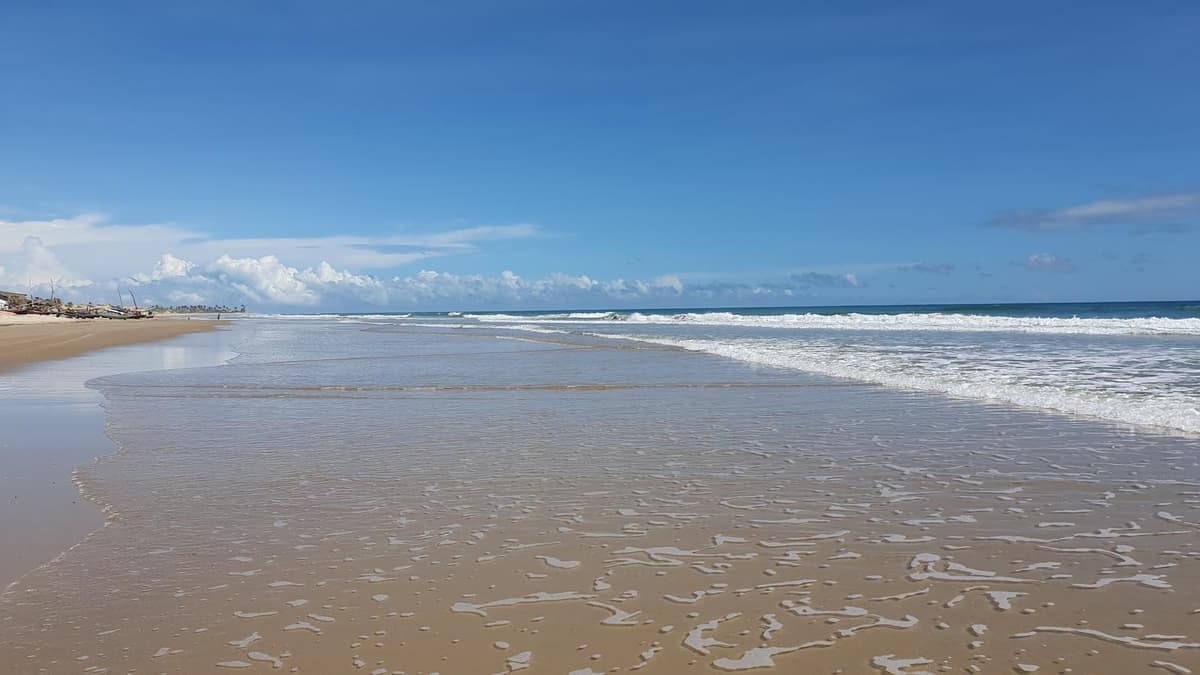
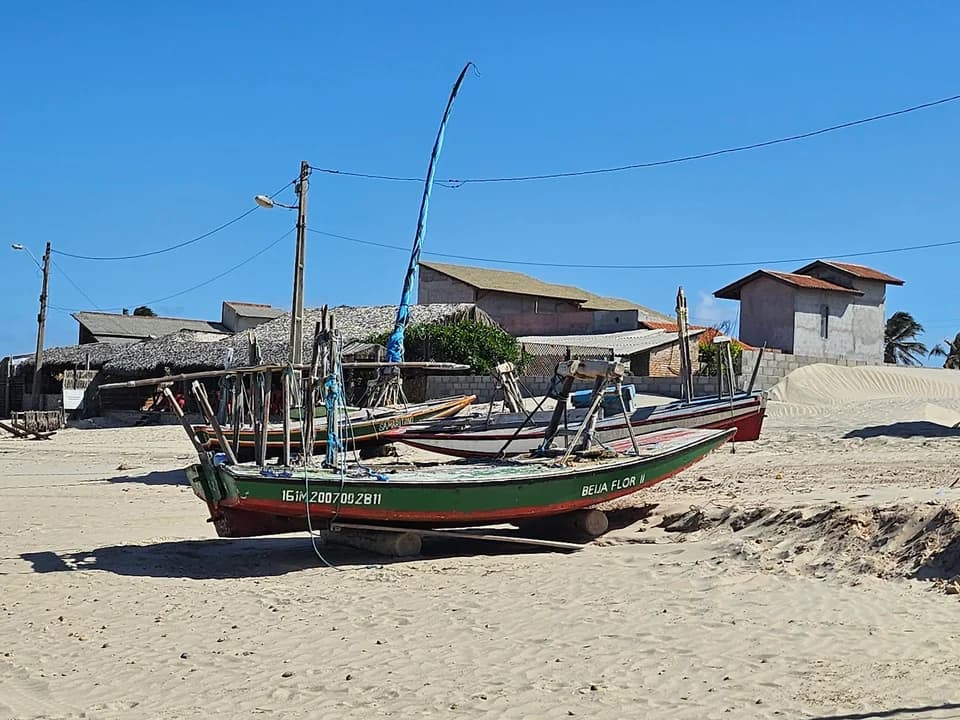
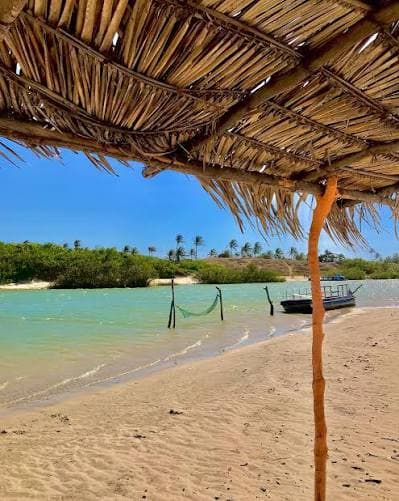
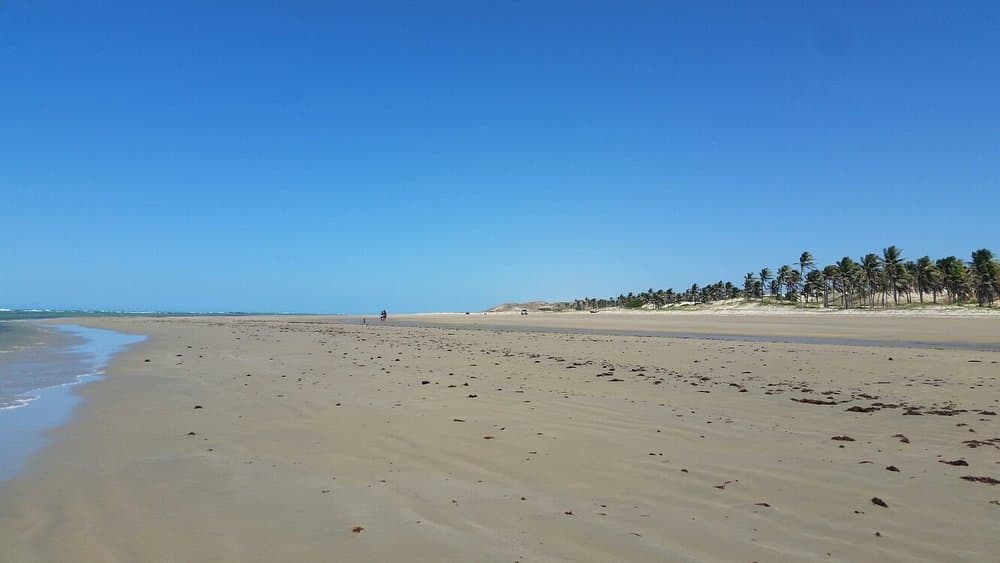
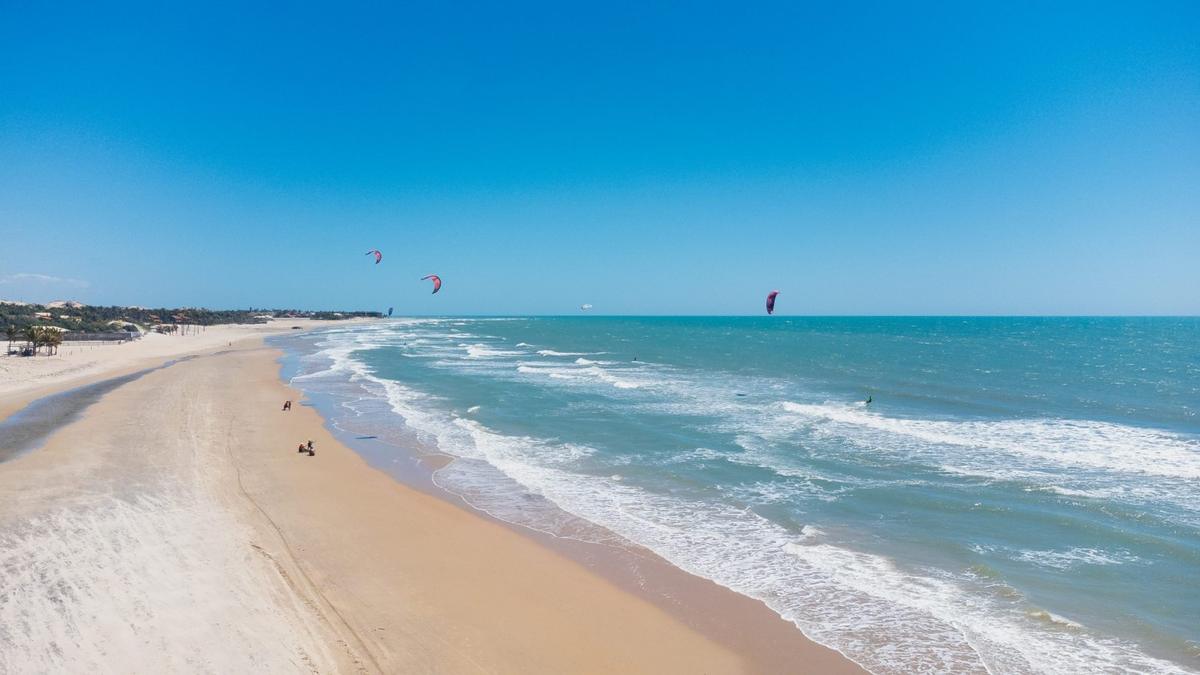
The Trairi coast doesn't end with its four best-known beaches. In between them, and along the road that runs parallel to the shore, there are smaller spots that rarely appear on a tourist map: Cana Brava, Pedra Chata, Curimãs and other stretches where development is minimal and the landscape has remained unchanged for decades.
These are places without village infrastructure or much going on — which for some is a drawback, and for others is precisely the point. Those looking for a plot of land with space, real quiet, and a lower entry price tend to find here what no longer exists on the main beaches.
We work in these places the same way we do in the others: we only present properties that are fully documented and registered. Other than that, the only thing that changes is the number of neighbors.
Read morePhotos of Outros lugares
Who it's for
For those buying with a longer-term view, looking for a larger area, or wanting to be near the well-known beaches without being right in them.
“The landscape has remained unchanged for decades.”
About this area
Beach Life
On the coast of Trairi, the beach isn't just a vacation backdrop. It's part of daily life: a morning walk, a swim in the sea, sports, meeting friends, or a late afternoon break. Water temperature, wind, and tide change throughout the day, giving each location its own rhythm. Flecheiras offers more restaurants and activity; Guajiru combines a small village feel with an international community; Mundaú revolves around the river and estuary; Emboaca preserves more silence and space.
Kitesurf and kitefoil
The trade winds make the coast of Trairi well-known among kitesurf, kitefoil, wingfoil, and windsurf practitioners. The most consistent season usually runs from July to February, although intensity and direction vary. There are stretches of flatter water, open sea, and waves, suitable for different experiences. Beginners should look for a qualified school; autonomous practitioners need to observe tides, reefs, currents, swimmers, and local rules before choosing an entry point.
Nature and landscapes
Dunes, coconut groves, lagoons, reefs, natural pools, mangroves, and estuaries appear within just a few kilometers of coastline. Low tide reveals landscapes that disappear hours later, while rivers and channels continuously reshape the sandbanks. This diversity makes the region interesting for hiking, boat trips, buggy rides, and marine life observation. Responsible use of these areas helps to conserve precisely what makes the coast so special.
Family life
The region can offer a tranquil routine for families, with beaches, outdoor activities, and short commutes within the villages. The choice of property, however, must consider concrete needs: schools, healthcare, supermarkets, internet, street safety, access during rainy periods, and distance from the town center of Trairi. A vacation home and a permanent residence require different assessments. MAXXVIDA helps compare these points before your visit.
Properties and Investment
The Trairi coastline brings together properties for personal use, rental, lodging, and development. Each purpose demands different criteria. For rentals, location, maintenance, seasonality, and management are key. For land, documentation, access, infrastructure, and legal building potential are decisive. For living, daily comfort and proximity to services might outweigh the exact distance to the beach. Appreciation and income are possibilities, never guarantees, and should be analyzed property by property.
Remote work
Working near the sea is feasible at many addresses, but the infrastructure needs to be confirmed before moving. The buyer or guest should check the provider, speed, connection stability, mobile signal, and alternatives for power or internet outages. It's also worth noting the workspace, ventilation, noise, and comfort during video conferences. With these points resolved, the routine can combine productive work with outdoor time.
Restaurants and gastronomy
Flecheiras and Guajiru offer the widest variety of restaurants, cafés, and beach shacks in the region. Fish and seafood are featured alongside Ceará cuisine and international proposals brought by residents and entrepreneurs from other countries. Mundaú maintains a more direct connection with fishing and the river, while smaller towns offer simpler options. Opening hours and days vary by season, so it's advisable to confirm before heading out.
Daily Life
Life on the coast is light, but it still requires planning. Groceries, pharmacies, maintenance, healthcare, schools, and public services are all part of choosing where to live. Flecheiras and Guajiru meet most daily needs; the town of Trairi offers supplementary infrastructure. For those arriving from another city or country, understanding the real distances, mobility, and how each village operates helps transform a pleasant stay into a sustainable routine.